Field & mobile data capture
The form that gets filled in twice
Once on paper at the site, once into a computer that evening.
Today
- 1Paper form on sitesomeone moves it
- 2Re-typed that eveningsomeone moves it
- 3Photos on a personal phone
Rebuilt
- 1Captured once, offline
- 2Won't submit incomplete
- 3Billable the same day
How it runs today
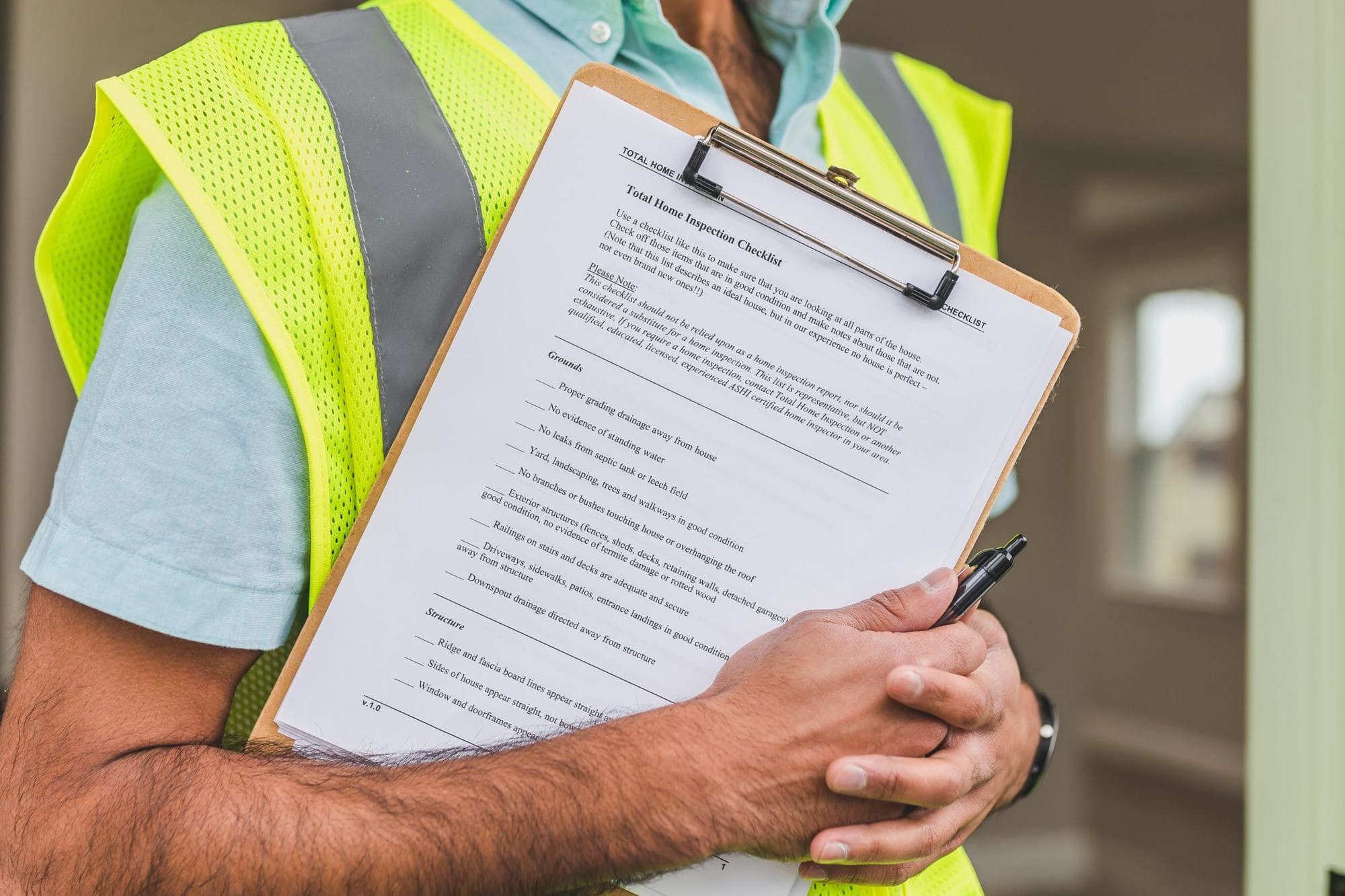
- Field staff fill in a paper form or a PDF, then someone re-types it at the office.
- Photos live on personal phones and get sent by message, if at all.
- Signatures are collected on paper and scanned days later, sometimes never.
2 more →
- Missing information is discovered back at the office, when returning to site is expensive.
- The office has no idea what happened on a job until the paperwork surfaces.
Signs it costs more than you think
- Invoicing is delayed because the job paperwork hasn't come in.
- You have disputes you cannot win because the evidence was never captured.
- The same fields get typed twice, and the two copies sometimes disagree.
2 more →
- Compliance sign-offs are chased weeks after the work.
- Nobody can produce the before-and-after photos for a job from last year.
What it becomes
- Offline-first mobile capture that syncs when signal returns
- Dynamic forms — the questions change with job type, asset and findings
- Mandatory photo, reading and signature capture, enforced before submission
- Automatic customer report generated from the completed record
- Geotag and timestamp on every submission, for evidence rather than surveillance
The full picture, and what it connects to →
The record is created at the point of work and it is not allowed to be incomplete. A mobile app — offline-capable, because signal at a job site is a fiction — presents the right form for the job type, requires the photos and readings that matter, captures a signature, and refuses to submit until the mandatory evidence is there. That is the single biggest change: the missing information is caught while the engineer is still standing on site rather than three days later. Submission triggers everything downstream at once — the job closes, the customer gets their report, the invoice becomes raisable, and the compliance evidence is filed against the asset. Nothing is re-typed, because nothing was ever typed twice.
- The job or work-order system that dispatched the work
- Invoicing, so a completed job is immediately billable
- Asset and compliance registers, which gain their evidence automatically
- Customer notifications, so the report arrives without anyone sending it
The first release
One job type, one form, offline-capable on the crew's existing phones, in about a week. We build the form with the people who will fill it in — a field form designed in an office is the single most reliable way to guarantee it gets ignored.
Others in operations



Let's build
What's your AI Nirvana?
Tell us where you want to go. We'll bring the team, build the product, and grow it with you — and you own it.
- You own the IP
- US-based team
- Reply within 1 business day