Scheduling & dispatch
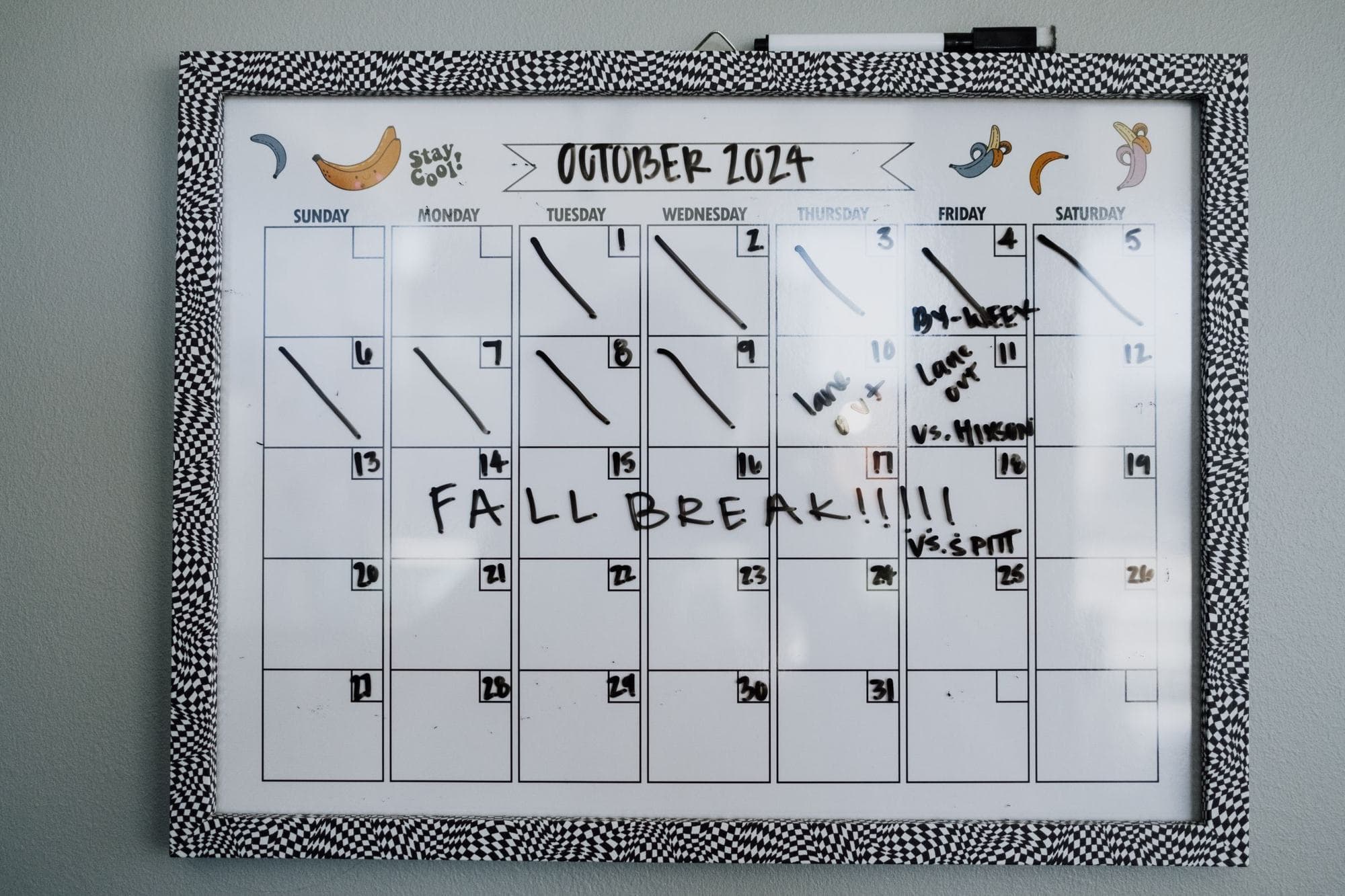
The schedule that lives on a whiteboard
Two hours every morning deciding who goes where.
Today
- 1Whiteboard rebuilt dailysomeone moves it
- 2It all lives in one headsomeone moves it
- 3One cancellation, replan
Rebuilt
- 1Skills, travel and parts
- 2Replan in one tap
- 3Everyone told automatically
How it runs today
- A whiteboard, a shared calendar or a spreadsheet grid, rebuilt manually each morning.
- The dispatcher holds skills, certifications, geography and personalities in their head.
- A cancellation at 9:15 unravels the day, and re-planning is entirely manual.
2 more →
- Field staff find out about changes by phone call, if they answer.
- Nobody knows the real utilisation rate, only whether the day felt busy.
Signs it costs more than you think
- The business would struggle badly if the dispatcher were off for a week.
- You are paying for windshield time you could have planned away.
- Jobs get assigned to whoever is free rather than whoever is right.
2 more →
- Customers get a four-hour window because a tighter one can't be honoured.
- A job arrives on site without the part it needed, and everyone shrugs.
What it becomes
- Assignment against skills, certifications, geography, parts and availability
- Real travel-time awareness rather than optimistic guesses
- One-tap re-planning when a job cancels, overruns or an engineer calls in sick
- Automatic customer notification of windows, arrivals and delays
- Utilisation, first-time-fix and travel-time reporting that was never measurable before
The full picture, and what it connects to →
Scheduling becomes a constraint problem the system solves and the dispatcher supervises, rather than the other way around. It knows who is certified for what, where everyone is, how long the drive really takes, which parts a job needs and whether they are on the van. It proposes a plan; the dispatcher adjusts it, and the adjustments teach it. When the day breaks — and it always does — re-planning is a recalculation, not a rebuild, and everyone affected is told automatically, including the customer. The dispatcher's expertise stops being a single point of failure and becomes the rules the system runs on.
- The job or work-order system that creates the demand
- Inventory and van stock, so a job isn't scheduled without its parts
- Payroll and timesheets, from actual recorded time
- Customer notifications by SMS and email

The first release
One region or one crew type scheduled in the new system within a fortnight, running in parallel with the existing method. Dispatchers keep an override on everything — trust comes from watching it propose the plan they would have made, several times, before they let it run.
Others in operations



Let's build
What's your AI Nirvana?
Tell us where you want to go. We'll bring the team, build the product, and grow it with you — and you own it.
- You own the IP
- US-based team
- Reply within 1 business day