
Time capture & payroll prep
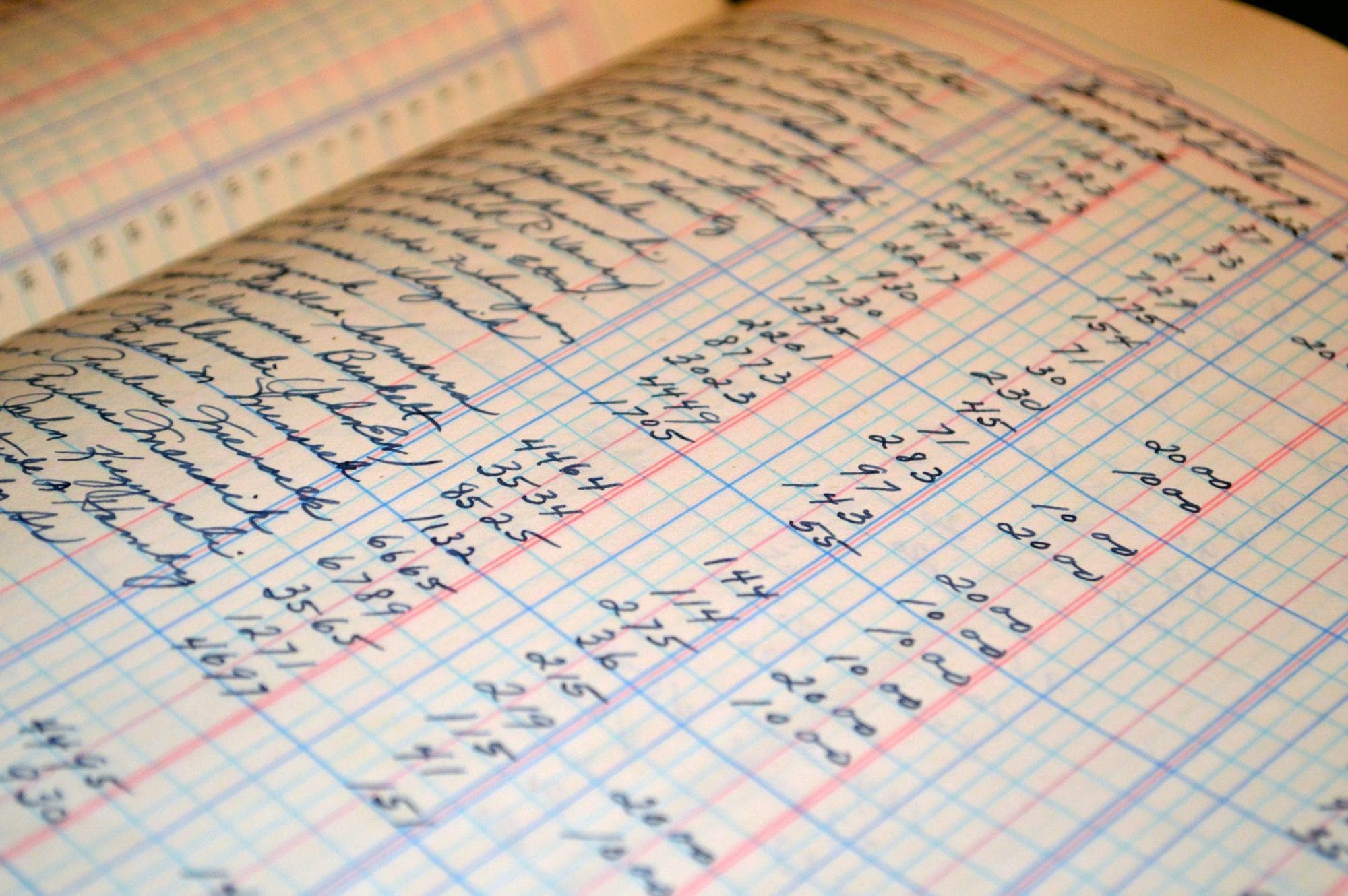
The timesheet that arrives as a photo of a piece of paper
Payroll week is a manual reconciliation exercise, every week.
Today
- 1Hours written on papersomeone moves it
- 2Rules applied from memorysomeone moves it
- 3Two days every cycle
Rebuilt
- 1Clocked against the job
- 2Rules applied for you
- 3Approve, don't re-type
How it runs today
- Hours are written on paper, texted, or typed into a spreadsheet at the end of the week.
- Someone transcribes them into payroll, applying overtime and allowance rules by memory.
- Disputes are settled by whoever sounds more confident, because there is no record.
2 more →
- Absence, holiday and sickness are tracked in a different place again.
- Hours are recorded against a week, not against the jobs the hours were spent on.
Signs it costs more than you think
- Payroll preparation consumes one or two full days every cycle.
- You routinely pay for hours you cannot attribute to any job.
- Overtime and allowance errors are found by employees rather than by you.
2 more →
- Holiday entitlement questions require a spreadsheet consultation.
- Labour cost per job is an estimate because the underlying hours were never captured that way.
What it becomes
- Mobile clock-in and clock-out against a job, working offline
- Automatic application of overtime, premium, travel and allowance rules
- Exception review before payroll — missing punches, overlong shifts, anomalies
- Absence, holiday and entitlement in the same record as attendance
- A payroll-ready export, approved rather than re-typed
The full picture, and what it connects to →
Time is captured where the work happens — clock in and out on a phone, against a job, with location where that is proportionate and disclosed. Rules that currently live in someone's head become explicit and get applied automatically: overtime thresholds, shift premiums, travel time, standby, allowances. Anomalies surface for review before payroll rather than after: a missing clock-out, a shift longer than policy allows, a mismatch between hours booked and jobs completed. Payroll preparation becomes an approval of a prepared file rather than a transcription exercise, and because hours were captured against jobs, labour cost lands in job costing for free.
- Your payroll provider or bureau, as a validated file rather than manual entry
- Job costing, which gains real labour cost automatically
- Scheduling, so planned versus actual hours can be compared
- HR records, for entitlement and contracted hours
The first release
Mobile time capture with your overtime and allowance rules applied, plus the exception review, for one crew or site — about a week. We run it in parallel with the existing method for one full pay cycle before anyone relies on it, because payroll is the wrong place to discover an edge case.
Others in finance


Let's build
What's your AI Nirvana?
Tell us where you want to go. We'll bring the team, build the product, and grow it with you — and you own it.
- You own the IP
- US-based team
- Reply within 1 business day